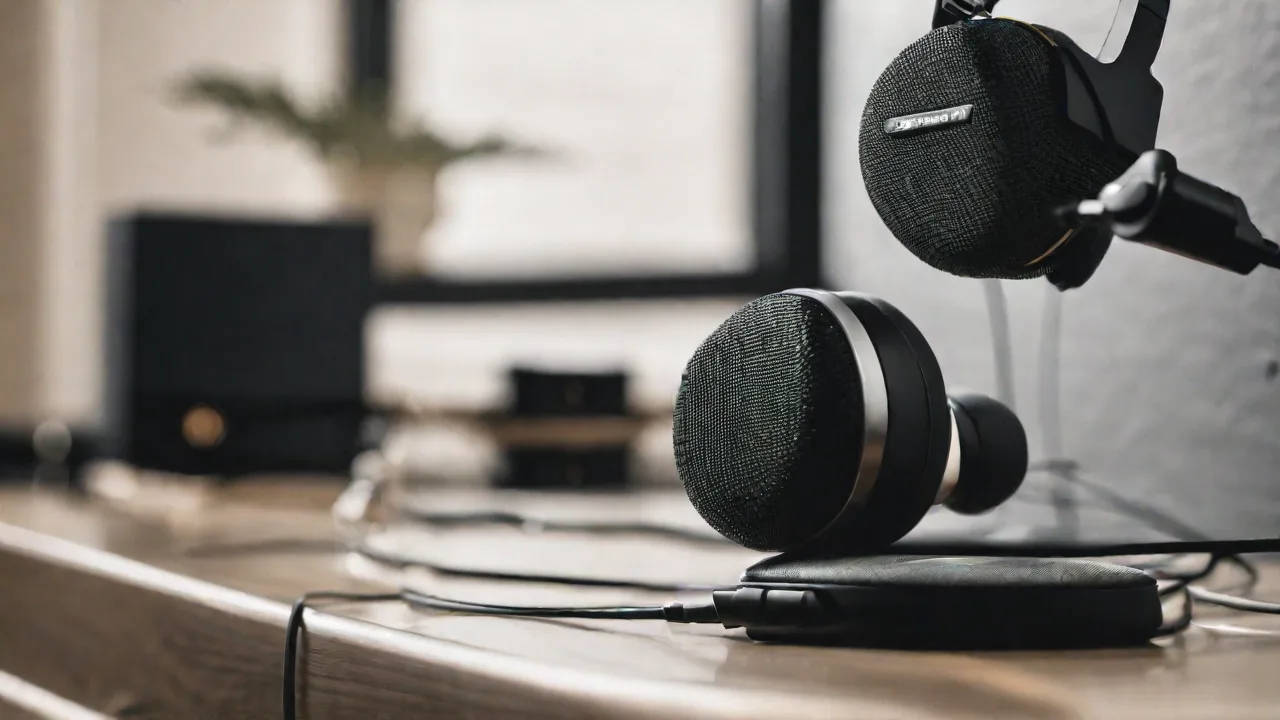
The Role of Music and Podcasts in Enhancing Morning Mornings for Kids
Introduction: Setting the Tone for a Successful Day
The morning hours are a critical window for shaping a child’s mindset, energy level, and readiness to learn. Yet for many families, the rush to get out the door can turn this time into a stressful scramble. Parents often search for simple, effective strategies to ease the transition from sleep to activity while fostering positive habits. Two of the most powerful tools available are music and podcasts. By intentionally incorporating audio content into the morning routine, caregivers can transform a chaotic start into a calm, engaging, and educational experience that benefits both children and adults.
Audio content works because it engages multiple senses without requiring visual attention. Children can listen while brushing their teeth, eating breakfast, or getting dressed. This multitasking capability makes music and podcasts uniquely suited for busy mornings. Moreover, the right audio can regulate emotions, provide structure, and spark curiosity before the school day even begins. This article explores the science behind audio-enhanced mornings, offers practical strategies for curating playlists and podcast selections, and provides actionable tips for parents to make every morning a positive launchpad for learning.
The Science Behind Morning Mood and Audio Stimulation
To understand why music and podcasts are so effective, it helps to look at what happens in a child’s brain during the first hour after waking. Morning cortisol levels naturally rise to promote alertness, but excessive stress can overwhelm a child’s ability to self-regulate. Audio stimuli can modulate this hormonal response, either calming an anxious child or energizing a sluggish one. Research in neuropsychology has shown that music activates the limbic system, which governs emotion and memory, making it a direct pathway to influencing mood.
How Music Affects the Developing Brain
Children’s brains are highly plastic, meaning they adapt quickly to repeated experiences. Upbeat music triggers the release of dopamine, a neurotransmitter associated with pleasure and motivation. When a child hears a cheerful song each morning, the brain begins to associate that sound with safety and positivity. Over time, this pairing can reduce morning resistance and increase cooperation. Additionally, rhythmic music stimulates the cerebellum, which coordinates motor activity. Simple actions like clapping, tapping, or swaying to a beat can help children physically transition from sleep to wakefulness.
A study published in the Journal of Music Therapy found that children who listened to energizing music in the morning showed improved focus during subsequent learning tasks. The rhythmic patterns also support auditory processing skills, which are foundational for reading and language development. For young children, songs with repetitive lyrics and clear melodies enhance vocabulary acquisition and phonemic awareness. Thus, music is not just entertainment; it is a purposeful developmental tool.
The Role of Podcasts in Cognitive Development
Podcasts offer a different benefit. While music primarily influences emotion and movement, podcasts engage the prefrontal cortex, the part of the brain responsible for attention, problem-solving, and language comprehension. Listening to a narrative requires a child to hold characters and plot points in working memory, a skill that directly correlates with academic success. Educational podcasts often introduce new concepts—like how bees make honey or why the moon changes shape—in a story-driven format that makes abstract ideas tangible.
From a cognitive standpoint, audio-only storytelling forces the brain to create mental images, strengthening imagination and visual-spatial reasoning. Unlike screen-based media, which provides ready-made images, audio requires active mental construction. This distinction is particularly important for young children, whose neural pathways are forming rapidly. According to American Academy of Pediatrics guidelines, passive screen time offers limited interactive benefit, whereas audio experiences can be actively processed and discussed. Morning podcast listening can therefore be a high-quality, screen-free learning activity that fits seamlessly into a busy routine.
Crafting the Perfect Morning Playlist for Kids
Not all music works equally well in the morning. The tempo, instrumentation, and lyrical complexity must match the child’s age and the desired energy level. A playlist designed for waking up gradually will differ from one meant for an energetic race to the bus stop. The key is intentional curation rather than random shuffle.
Age-Appropriate Music Selections
For toddlers and preschoolers (ages 2–5), simple nursery rhymes and folk songs with steady beats are ideal. The repetition helps build predictability, which is soothing. Ellie and the Elephant, Raffi, and Caspar Babypants are classic examples. At this age, music can also incorporate movement cues—songs that say “stomp your feet” or “wave your hands” encourage gross motor development. Avoid tracks with sudden loud noises or complex arrangements, which can be overstimulating.
For early elementary children (ages 5–8), introduce songs with more varied rhythms and positive social messages. Playlists might include contemporary pop songs with clean lyrics (like tracks from The Beatles, Jason Mraz, or Sara Bareilles) or instrumental pieces from movie soundtracks. This age group benefits from music that builds confidence and verbal memory. Songs about friendship, perseverance, or imagination can set a constructive emotional frame for the school day.
Older children (ages 9–12) often have strong musical preferences. Allow them to contribute to the playlist, but guide choices toward upbeat genres like pop, jazz, or world music rather than slower, heavy rock or melancholic ballads. The goal is energizing content without aggressive or distracting elements. This age can also appreciate curated thematic playlists—for example, “Math Morning” with songs about numbers or “World Explorer” with music from different cultures.
Creating a Morning Routine Playlist
Structure the playlist to mirror the natural flow of the morning. The first few tracks should be calm and gentle, gradually increasing in tempo as the child becomes more alert. A sample sequence might be:
- Track 1–2 (waking phase): soft classical or ambient nature sounds
- Track 3–5 (transition phase): folk or acoustic songs with moderate tempo
- Track 6–8 (active phase): upbeat pop or dance tracks for dressing and breakfast
- Track 9 (final phase): a short, high-energy song to signal departure
This gradient approach prevents jarring transitions. Sticking to the same sequence each morning builds a predictable routine that children can internalize. Over time, hearing a specific song becomes a cue to move to the next step, reducing the need for verbal reminders.
Using Music to Signal Transitions
One of the most effective applications of morning music is using specific songs as auditory timers. For example, play a two-minute song to indicate that toothbrushing should be done by the time the song ends. This turns chores into a game and builds time awareness. Parents can also use a “morning work song” that plays only while the child completes specific tasks, encouraging focus. Transitional music reduces power struggles because children respond to auditory cues more readily than verbal nagging.
Establishing a consistent “goodbye song” that plays just as children put on their shoes or walk to the car creates a positive emotional anchor. The song can be a silly favorite that everyone sings together, turning a potentially stressful departure into a moment of connection. Music thus becomes a non-verbal communication tool that eases family dynamics.
Podcasts as an Educational Morning Tool
While music sets the emotional and energetic tone, podcasts fill the cognitive space. Many families reserve podcast listening for the car ride to school, but integrating it into earlier morning activities can extend learning time. Podcasts allow children to absorb knowledge passively while their hands are busy with breakfast or hair brushing.
Top Podcast Genres for Children
Children’s podcasts have exploded in quality and variety. The most popular genres include:
- Storytelling podcasts: “Story Pirates,” “Circle Round,” and “WOW in the World” offer original stories that spark imagination and teach values like empathy and perseverance.
- Science and nature: “Brains On!,” “Tumble Science Podcast for Kids,” and “Mystery Doug” make complex topics accessible through kid-friendly questions and sound effects.
- History and culture: “Who Was? Podcast” and “History Unfolded” bring historical figures to life in short episodes that fit morning time.
- Music and sound exploration: “Kids’ Music” or “The Music Box” shows can bridge a music listener into podcast listening.
Parents should preview episodes before playing them during a rushed morning. Look for episodes that run 10–15 minutes, have clear language, and avoid scary or overly complex themes. Many podcast networks provide content ratings and age recommendations.
Integrating Podcasts into the Morning Flow
Podcasts are best played during the middle part of the routine, after the child is awake and seated for breakfast. This avoids the risk of distraction during critical steps like brushing teeth or crossing the street. Use a smart speaker or a simple app that can queue episodes. Some families create a “morning podcast station” in the kitchen with a dedicated device. Consistency is key: if a podcast becomes a daily fixture, children will look forward to it and may even request to start their morning earlier.
Consider alternating between music and podcast days to prevent overstimulation. For instance, Monday and Wednesday could be music mornings, while Tuesday and Thursday feature a podcast. Friday could be a “choice day.” This variation maintains novelty and allows children to develop preferences for each type of content.
Example Morning Podcast Schedule
- 7:00–7:10 – Wake-up music (low volume).
- 7:10–7:15 – Dressing time with a quick podcast episode (10 minutes).
- 7:15–7:30 – Breakfast while listening to the remainder of the episode.
- 7:30–7:35 – Transition song for final prep.
- 7:35–7:40 – Goodbye song in the car or at the door.
This schedule ensures that both music and podcasts serve distinct purposes without competing for attention.
Practical Tips for Parents
Implementing audio-enhanced mornings is straightforward, but a few logistical considerations can make the difference between success and frustration. The following tips are based on real-life parent experiences and child development best practices.
Setting Up Audio Systems for Easy Access
Reduce friction by having a dedicated device that is always ready. A smart speaker with voice commands works well because children can say, “Hey [device], play my morning playlist.” Alternatively, use a tablet or phone with a simple playlist app that automatically starts at a set time. Some parents create a physical morning routine chart that includes a step for turning on the music. Avoid requiring children to navigate complex menus or login screens, as this can cause delays and distract from the routine.
For families that use headphones (to avoid disturbing sleeping siblings), choose child-safe volume-limited models. Wireless headphones with long battery life are ideal. When using a central speaker, keep the volume at a moderate level—loud enough to be heard over kitchen noise but not so loud that it causes auditory fatigue.
Involving Children in Content Choices
Ownership is a powerful motivator. Allow children to help select the songs and podcasts that will play during their mornings. For younger kids, present two or three pre-screened options and let them choose via a vote or drawing. Older children can be given full control over a “morning music” playlist, with the rule that all tracks must be approved by a parent for appropriate lyrics and tone. This process teaches decision-making and responsibility.
Periodically revisit the playlist. Children’s tastes change, and what worked in September may feel stale by January. Schedule a monthly “music and podcast refresh” where the family listens to new options together. Many streaming services offer curated playlists for kids that are updated regularly, so use these as starting points.
Balancing Screen-Free Audio Time
The beauty of audio is its screen-free nature, but it can still become a source of dependency if not managed. Set boundaries: podcasts and music should enhance the routine, not replace human interaction. Designate at least one morning a week as a “silent morning” where no audio plays, allowing for conversation and quiet observation. Also, avoid using audio as a distraction during important tasks like eating breakfast or practicing a musical instrument. Rather, let audio be a complementary layer that enriches the environment.
Be mindful of content overload. If the child seems overwhelmed or grumpy after listening, reduce the duration or switch to instrumental music. Every child’s threshold is different. The goal is to create a morning that feels supported, not saturated.
Long-Term Benefits of Audio-Rich Mornings
When music and podcasts become a consistent part of the morning, the benefits extend far beyond those first hours of the day. Children develop a stronger sense of time and sequence, improved auditory attention, and a positive association with learning. They learn to self-regulate their emotions through music, picking songs that match their mood. Over months and years, these habits contribute to a lifelong appreciation for the arts and for knowledge.
From a logistical standpoint, audio-enhanced mornings reduce parent stress. Instead of repeating instructions or arguing about tasks, parents can rely on auditory cues to guide behavior. The household operates more smoothly, and the entire family begins the day with a shared experience—a song or a story—that fosters connection.
As technology continues to evolve, the options for high-quality children’s audio content will only expand. Starting early with intentional audio routines equips children to navigate a world filled with both noise and information. By curating the soundtrack of their mornings, parents give their children a gift that repeats every day: a calm, curious, and joyful start.
Explore more resources on children’s audio content from Common Sense Media for detailed reviews and age-specific recommendations. For research on music and child development, the NAMM Foundation provides evidence-based insights.