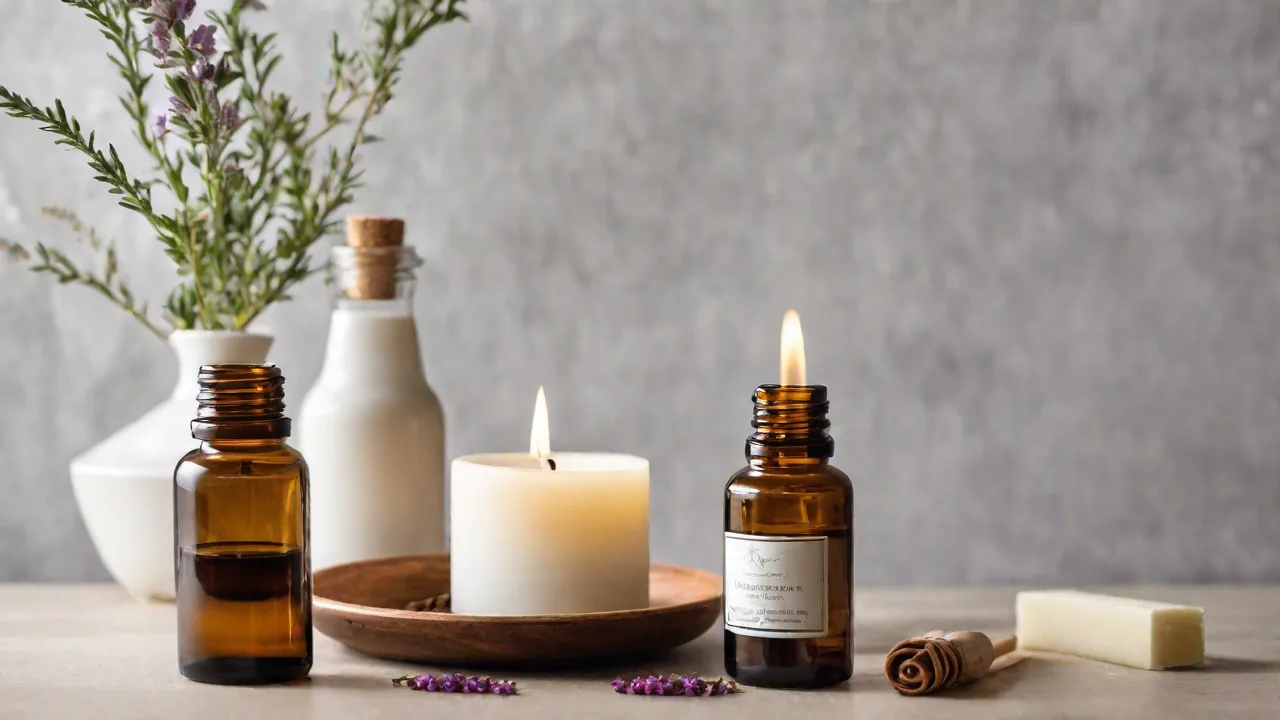
Using Aromatherapy to Create a Peaceful Home Environment
Understanding Aromatherapy: Origins and Science
Aromatherapy, rooted in ancient practices from civilizations such as Egypt, China, and Greece, harnesses the volatile compounds in aromatic plants to support physical and emotional balance. The term itself was popularized in the early 20th century by French chemist René-Maurice Gattefossé, who discovered the healing properties of lavender oil after a lab accident. Today, the practice is backed by a growing body of research: essential oils interact with the limbic system — the brain’s emotional center — through olfactory receptors, influencing mood, stress response, and even autonomic functions like heart rate and breathing. For example, a 2018 meta-analysis published in the Journal of Alternative and Complementary Medicine found that lavender inhalation significantly reduced anxiety scores across multiple clinical trials.
Modern aromatherapy extends beyond simple scent enjoyment. It is a form of integrative wellness that can be tailored to specific environments, especially the home. By understanding how different oils interact with physiology and psychology, you can design targeted aromatic experiences that promote tranquility, focus, or restorative sleep. This article explores practical, safe, and creative ways to incorporate essential oils into your living space, with a focus on creating an atmosphere of lasting peace.
Core Benefits of Introducing Aromatherapy Into Your Home
A well-chosen aromatic environment does more than mask unpleasant odors; it actively shapes the emotional tone of your household. Below are the primary benefits supported by both tradition and contemporary research.
Stress and Anxiety Reduction
Chronic stress is a modern epidemic, and the home should serve as a refuge. Essential oils such as lavender (Lavandula angustifolia), Roman chamomile (Anthemis nobilis), and frankincense (Boswellia carterii) have demonstrated anxiolytic properties. A 2015 study from Evidence-Based Complementary and Alternative Medicine showed that inhaling lavender oil for 15 minutes lowered cortisol levels and improved participants’ perceived stress. For home use, diffusing a blend of lavender and frankincense during tense moments or evening wind-downs can help shift the nervous system from “fight or flight” to “rest and digest.”
Improved Sleep Quality
Sleep disruption often stems from an overactive mind or environmental irritants. Scents that activate the parasympathetic nervous system — particularly lavender, valerian root, and ylang-ylang — can prepare the body for deep rest. The Journal of Clinical Nursing published a 2019 systematic review that concluded lavender aromatherapy significantly improved sleep quality in adults with mild insomnia. To leverage this, use a bedside ultrasonic diffuser with a blend of lavender and cedarwood at least 30 minutes before sleep. Pair with a regular bedtime routine to reinforce the association between the scent and rest.
Positive Mood and Emotional Balance
Bright, citrusy oils like sweet orange (Citrus sinensis), bergamot (Citrus bergamia), and grapefruit (Citrus paradisi) are known to elevate mood by increasing levels of serotonin and dopamine precursors. Bergamot, in particular, contains linalool and limonene, which have been shown to reduce stress markers in several animal studies. A 2020 review in Molecules highlighted that citrus oils can attenuate depressive symptoms and improve overall well-being. In a home setting, diffusing grapefruit and peppermint in the morning or early afternoon can boost alertness and positivity without overstimulation.
Enhanced Focus and Productivity
Not all aromatic goals are about relaxation. For home offices or study areas, certain oils can sharpen concentration. Peppermint (Mentha × piperita), rosemary (Salvia rosmarinus), and eucalyptus (Eucalyptus globulus) have been linked to improved cognitive performance and memory retention. A 2012 study from the International Journal of Neuroscience found that rosemary inhalation increased alertness and processing speed. Create a focus blend with equal parts rosemary, lemon, and peppermint — diffuse during deep work sessions to maintain mental clarity.
Creating a Welcoming and Inviting Atmosphere
Beyond health benefits, aromas are a powerful tool in hospitality. A home that smells subtly of vanilla, cinnamon, or clean pine instantly signals safety and comfort. Scent influences first impressions and can even alter perceived temperature — fresh, green scents like cucumber or tea tree can make a space feel cooler in summer, while warm scents like clove and cedar make it feel cozier in winter. Use scent as a silent but impactful design element.
Practical Methods for Using Aromatherapy at Home
There are multiple delivery systems, each suited to different rooms, seasons, and preferences. Understanding their strengths ensures you get maximum benefit while preserving safety.
Ultrasonic Diffusers
Ultrasonic diffusers use water and high-frequency vibration to disperse essential oil molecules into the air as a fine vapor. They do not burn the oil, preserving its therapeutic integrity. These are ideal for living rooms, bedrooms, and open-concept spaces because they can run for hours with minimal energy consumption. For best results, add 3–5 drops of oil per 100ml of water. Clean the diffuser weekly with vinegar to prevent oil residue buildup and microbial growth.
Room Sprays and Linen Mists
Create your own sprays by combining 10–15 drops of essential oil with 60ml distilled water and 5ml of vodka (or witch hazel) as an emulsifier. Shake well before each use. Linen sprays are perfect for pillows, couches, or carpets, providing an instant aroma boost without needing to plug something in. Avoid spraying directly on sensitive surfaces like silk or unfinished wood. A gentle spritz of lavender and chamomile on your pillowcase can be a powerful pre-sleep cue.
Aromatherapy Candles and Wax Melts
Look for candles made from natural soy wax, beeswax, or coconut wax scented with pure essential oils (not synthetic fragrance oils). These produce a warm, gentle heat that diffuses scent throughout a room. However, the scent throw from a candle is generally less intense than a diffuser and may require the user to be closer to the flame. Always burn candles in a safe location and never leave unattended. For a safer alternative, use electric wax melters with solid aroma melts.
Bath and Body Integration
Adding essential oils to bathwater can promote full-body relaxation via both inhalation and absorption. Important: always mix the oil with a carrier (like full-fat milk, honey, or a carrier oil such as jojoba) before adding to warm water to avoid skin irritation. A typical blend: 5 drops lavender + 3 drops Roman chamomile + 2 drops neroli in 2 tablespoons of carrier. For a quick pick-me-up, add peppermint and eucalyptus to a cool compress during a fever or headache. Never use undiluted essential oils directly on the skin.
Personal Inhalers and Jewelry
Portable options like aromatherapy inhalers (plastic tubes with a cotton wick) or diffuser jewelry (porcelain or lava stone pendants that absorb oil) allow you to carry scents with you. These are especially useful for people who travel frequently, work in open offices, or want immediate relief during panic attacks. A few drops of stress-reducing oil (like clary sage or bergamot) on a lava stone bracelet can provide discreet support all day.
Recommended Essential Oils for a Peaceful Home
Not all oils are equal for tranquility. Below is a curated list based on safety, efficacy, and synergy with a peaceful home aesthetic.
Lavender (Lavandula angustifolia)
Lavender is the most versatile and studied essential oil for relaxation. It is effective for sleep, anxiety, and minor skin irritations. It blends well with vanilla, cedarwood, and clary sage. Safety: low toxicity, but high doses may cause drowsiness.
Bergamot (Citrus bergamia)
Bergamot has a unique floral-citrus profile that simultaneously calms and uplifts. It reduces cortisol levels and promotes a sense of peace. Blend with lavender for a classic relaxation mix or with frankincense for a meditative atmosphere. Caution: bergamot oil is phototoxic — do not apply to skin before sun exposure.
Frankincense (Boswellia carterii)
Often used in meditation, frankincense slows and deepens breath, which is why it is popular in yoga and mindfulness practices. Its warm, woody scent anchors an environment and reduces stress. It blends well with sandalwood and myrrh.
Chamomile (Roman) (Anthemis nobilis)
Roman chamomile is gentle and sweet, making it safe for children and the elderly when properly diluted. It is anti-inflammatory and calming. Its scent is apple-like and subtle. Pair with lavender or neroli for a gentle bedtime blend.
Ylang-Ylang (Cananga odorata)
This rich, floral oil lowers blood pressure and heart rate, creating a sedative effect. It can be intense, so use sparingly — 1–2 drops per diffuser is sufficient. Ylang-ylang blends beautifully with bergamot and lavender.
Sweet Orange (Citrus sinensis)
Sweet orange is uplifting, bright, and affordable. Its cheerful scent is perfect for kitchen or living areas to combat gloom during winter. It synergizes with clove, cinnamon, and cedarwood.
Designing Aromatherapy Routines for Different Times of Day
To make aromatherapy a natural part of your home life, align your blends with the rhythm of your daily schedule.
Morning: Awakening and Centering
Start the day with a light, citrus-based blend to stimulate alertness without aggression. Diffuse a mix of 3 drops grapefruit, 2 drops peppermint, and 1 drop rosemary for 20 minutes while you prepare breakfast. Alternatively, use a room spray that echoes a similar blend. This routine helps you transition from sleep into a focused morning.
Midday: Clarity and Rejuvenation
If you work from home, the afternoon slump can derail productivity. A quick diffusion of 2 drops lemon, 2 drops eucalyptus, and 1 drop basil can sharpen focus. For an energy boost without caffeine, inhale peppermint from a personal inhaler. Keep a small spray bottle with an energizing blend on your desk for a quick refresh.
Evening: Wind-Down and Sedation
Begin your evening relaxation ritual about an hour before bed. Dim the lights and diffuse a blend of 4 drops lavender, 2 drops cedarwood, and 1 drop marjoram. Apply a diluted blend (2–3 drops in a carrier oil) to your wrists or the soles of your feet. The scent will signal to your body that it is safe to rest.
Stress Management On-Demand
When you feel overwhelmed at home, a quick intervention can prevent a spiral. Use a cotton ball with 2 drops of frankincense and 1 drop of bergamot and hold it near your nose for slow, deep breaths for 3–5 minutes. Keep an emergency inhaler blend in a common area.
Seasonal Aromatherapy Adjustments
Your home’s energy and needs change with the seasons. Adapting your aromatherapy to the time of year enhances its effectiveness.
Spring: Freshness and Renewal
Shift from warming spices to green, floral, and citrus oils. Peppermint, lemon, and tea tree help clear stagnant winter energy and support seasonal allergies. Use a lemon and rosemary blend to clean and refresh surfaces. Open windows while diffusing to allow airflow exchange.
Summer: Cooling and Grounding
Focus on oils that feel cooling, such as peppermint, lavender, and teatree. Citrus oils like lemongrass and grapefruit also help maintain a light atmosphere. Avoid diffusing on very high heat as oil chemistry can break down — use room sprays and cold-water baths instead. Repellent oils like citronella can be added to outdoor candles to keep mosquitoes at bay.
Autumn: Warming and Grounding
As the air turns crisp, warm, spicy oils like cinnamon, clove, ginger, and orange create a cozy cocoon. These antimicrobial oils also support immune function during cold and flu season. Diffuse a 4-drop sweet orange, 2-drop clove, and 2-drop cinnamon (cassia) blend for 30 minutes to scent the whole house.
Winter: Comfort and Protection
Deep, resinous oils like frankincense, myrrh, pine, and cedarwood evoke the security of a winter cabin. They are also antibacterial and help purify indoor air during months of closed windows. Combine with a diffuser on low heat. Add a few drops to a humidifier to combat dry air. For a holiday feel, blend pine, orange, and a touch of vanilla.
Building DIY Aromatherapy Blends
Creating your own blends allows personalization based on your mood and home’s purpose. Follow these general guidelines:
Relaxation Blend (Bedroom)
- 4 drops lavender
- 2 drops Roman chamomile
- 2 drops frankincense
- 1 drop ylang-ylang (optional)
Diffuse in the bedroom 30 minutes before sleep. Add 5 drops to a carrier oil for a bedtime massage oil.
Focus Blend (Home Office)
- 4 drops rosemary
- 3 drops peppermint
- 2 drops lemon
- 1 drop basil (optional)
Diffuse during active work hours, but avoid running continuously for more than 1 hour; allow a 30-minute break to avoid olfactory fatigue.
Uplifting Blend (Living Room)
- 5 drops sweet orange
- 3 drops bergamot
- 2 drops grapefruit
- 1 drop lemongrass
This is a vibrant, mood-lifting blend ideal for entertaining or family movie nights. It can also be used as a room spray: add the same recipe to 60ml distilled water.
Purifying Blend (Entryway/Kitchen)
- 4 drops tea tree (Melaleuca alternifolia)
- 3 drops lemon
- 2 drops eucalyptus
- 1 drop peppermint
This blend has antimicrobial and antiviral properties. Diffuse for 30 minutes when someone in the house is sick or after cooking messy foods to clear the air.
Safety Practices Every Home User Should Follow
Essential oils are potent: a few drops represent a high concentration of plant compounds. Respecting their potency ensures safe and enjoyable use.
- Dilution is mandatory for skin contact. For adults, a typical dilution is 2–3 drops of essential oil per teaspoon (5ml) of carrier oil (jojoba, coconut, sweet almond). For children over 2, elderly, or those with sensitive skin, reduce to 1 drop per teaspoon. Never apply neat (undiluted) to skin.
- Diffusing duration matters. Running a diffuser continuously for hours can overexpose the olfactory system and cause headaches. Use intermittent cycles: 30–45 minutes on, then at least 30 minutes off. For small rooms, even 15–20 minutes of diffusion in a well-ventilated space can be sufficient.
- Pets and essential oils require special caution. Cats lack liver enzymes to metabolize many phenols and terpenes, making them vulnerable to toxicity from oils like tea tree, wintergreen, and clove. Birds are also extremely sensitive. Diffuse only in areas inaccessible to pets, use low concentrations, and consult a veterinarian before using oils around animals.
- Pregnancy and medical conditions. Consult a qualified aromatherapist or healthcare provider before using essential oils if you are pregnant, nursing, or have epilepsy, asthma, or high blood pressure. Certain oils (like clary sage during early pregnancy) are traditionally avoided.
- Storage. Keep essential oils in dark glass bottles, away from direct sunlight and heat. Ensure caps are tightly sealed. Store out of reach of children and pets. Do not use plastic containers for storing blends — oils degrade plastic over time.
- Quality matters. Use only 100% pure, unadulterated essential oils from reputable brands. Look for labels that mention the Latin name, batch number, and third-party testing for purity. Avoid oils labeled “fragrance oil” or “perfume oil,” which lack therapeutic properties and may contain synthetic irritants.
Integrating Aromatherapy into a Holistic Home Wellness Routine
Aromatherapy works best when combined with other wellness practices. Consider pairing with the following to create an overall peaceful environment:
- Lighting: Use warm, dimmable lighting or candles to complement relaxing scents. Cooler blue light can negate the calming effects of lavender and chamomile.
- Sound: Soft background music, nature sounds, or silence can amplify the emotional impact of aromatherapy. For meditation, frankincense and sandalwood enhance the sense of grounding.
- Air quality: Regularly clean air vents, use HEPA filters if needed, and open windows when possible. Aromatherapy shouldn’t mask pollution — it should work with clean air.
- Plants: Live indoor plants like peace lilies, snake plants, and jasmine naturally purify air and can be paired with oil diffusers. Avoid placing diffusers directly next to plants as the oils can damage foliage.
- Conscious clutter: A peaceful home is also visually calming. Prior to using aromatherapy, decluttering your space allows scents to settle without being overwhelmed by visual chaos. Aromas should enhance, not try to compensate for, clutter.
Conclusion
Aromatherapy offers a simple yet powerful tool to transform the atmosphere of your home. By choosing high-quality essential oils, selecting safe and effective diffusion methods, and personalizing your routines for different times of day and seasons, you create a sanctuary that nurtures mental and physical well-being. Whether you are seeking relief from daily stress, better sleep, or simply a more pleasant environment, the aromatic habits you build will repay you with consistent peace and comfort. Start small — one oil, one diffuser, one corner of your home — and let the benefits inspire deeper integration over time.