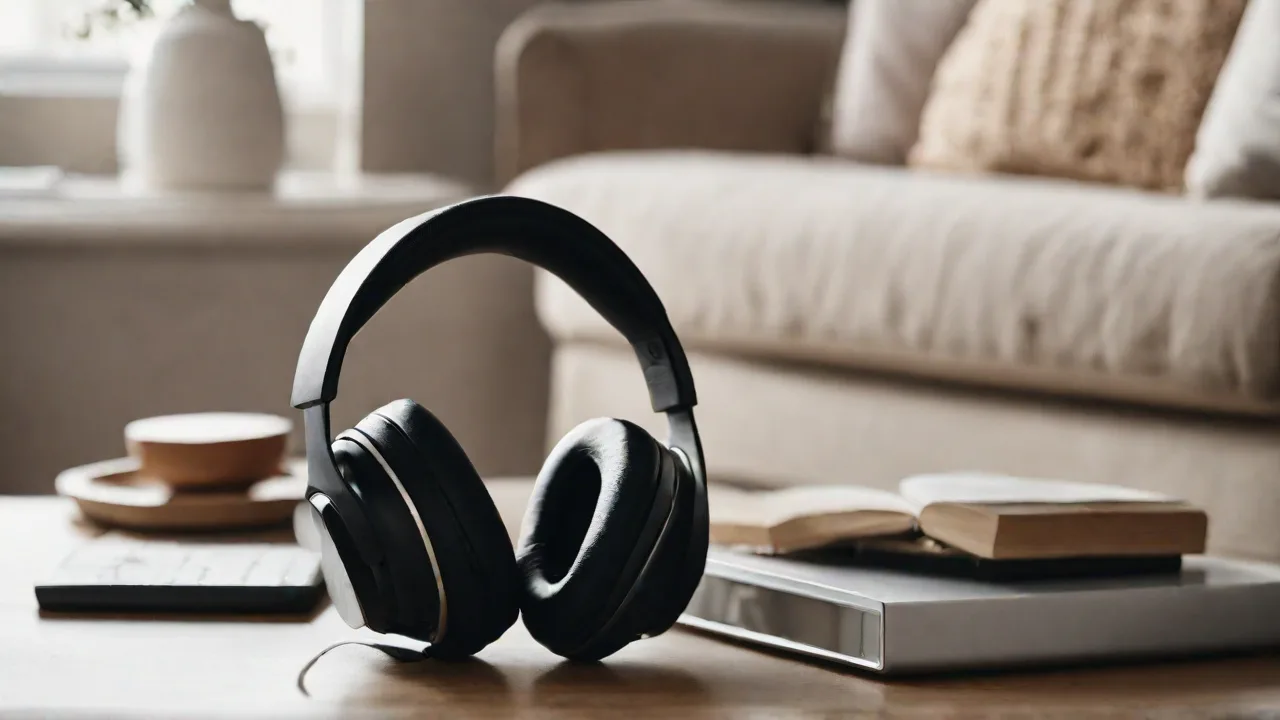
Using Sound and Music as Tools for Mindful Relaxation at Home
The Science Behind Sound and Mindful Relaxation
Sound is more than background ambiance; it directly influences the nervous system and brainwave activity. When you listen to calming audio, your body shifts from the sympathetic (fight-or-flight) state to the parasympathetic (rest-and-digest) state. This shift lowers heart rate, reduces blood pressure, and decreases the production of stress hormones like cortisol. Studies have shown that music therapy can significantly reduce anxiety and improve sleep quality, particularly in people with chronic stress or insomnia. The key lies in how rhythmic and predictable sounds entrain brainwaves—a process called resonance. For example, slower tempos (around 60 beats per minute) can induce alpha brainwaves, which are associated with relaxed alertness. Entrainment to delta waves (0.5–4 Hz) supports deep sleep, while theta waves (4–8 Hz) facilitate meditation and creative insight. Binaural beats are a specific application of this principle, where two slightly different frequencies played in each ear cause the brain to perceive a third beat.
Beyond brainwave entrainment, sound influences the autonomic nervous system through a process called vagal nerve stimulation. Low-frequency, rhythmic sounds can activate the vagus nerve, which is the primary conduit for the parasympathetic nervous system. This activation triggers a cascade of relaxation responses: slowed breathing, reduced inflammation, and improved digestive function. Research from the field of psychoacoustics has also demonstrated that specific frequencies can resonate with different organs and tissues in the body, a concept rooted in the ancient practice of sound healing but increasingly validated by modern imaging studies. For instance, ultrasonic frequencies have been shown to promote tissue repair, while infrasonic frequencies (below 20 Hz) can induce a sense of groundedness and calm.
Comprehensive Benefits of Sound-Based Relaxation
Integrating sound and music into your home relaxation practice offers a broad spectrum of benefits beyond simple stress relief. Regular mindful listening can improve emotional regulation, increase attention span, and enhance self-awareness. The practice also supports better sleep hygiene by creating a bedtime routine that signals to your brain that it is time to wind down. For individuals dealing with high-pressure jobs or caregiving demands, even five minutes of focused listening can reset the nervous system. Moreover, sound-based relaxation is accessible and cost-effective—you do not need expensive equipment; a smartphone and a pair of decent headphones are enough to get started.
Over time, consistent use can improve your ability to manage pain, reduce the frequency of tension headaches, and boost your immune system by reducing inflammation associated with chronic stress. Additional benefits include improved cognitive performance during tasks that require sustained attention, as certain types of background sound can mask distractions and enhance focus. For older adults, sound-based relaxation has been linked to better memory recall and reduced symptoms of dementia-related agitation. Children and teenagers also benefit significantly; calming audio before bedtime can reduce nighttime anxiety and improve school performance the next day. Even in clinical settings, music therapy is now a standard complementary treatment for patients undergoing surgery, chemotherapy, or rehabilitation, highlighting its broad therapeutic potential.
Furthermore, sound-based relaxation fosters a deeper connection to your emotional landscape. By giving yourself permission to sit quietly with sound, you create space for emotions to arise and dissipate without judgment. This emotional processing is a cornerstone of psychological resilience and can reduce the frequency of mood swings, irritability, and burnout. Many people report that after several weeks of regular listening, they become more attuned to their own internal signals, making it easier to recognize early signs of stress and intervene before overwhelm sets in.
Curating Your Personal Soundscape: Types of Audio for Relaxation
Not all sounds work equally for everyone. Personal preference, cultural background, and even the acoustic properties of your home all play a role in determining which sounds are effective. Below is a detailed breakdown of the most common categories used in mindful relaxation, along with guidance on when and how to use each.
Nature Sounds and Ambient Recordings
Sounds like gentle rain, ocean waves, rustling leaves, and birdsong are rich in unpredictable, non-repetitive patterns that keep the mind engaged without overstimulating it. High-quality field recordings (such as those from the National Park Service's sound collection) offer natural variability that can mask distracting background noise. Nature sounds are ideal for meditation, yoga, or simply unwinding after work. They also work well for creating a calming atmosphere during meals or reading time. For urban dwellers, nature sounds can provide a powerful contrast to the constant hum of traffic and electronic devices, helping to restore a sense of connection to the natural world.
Instrumental and Ambient Music
Soft instrumental music—piano, acoustic guitar, string ensembles, or electronic ambient tracks—provides structure without lyrics, which can sometimes distract the analytical mind. Artists like Brian Eno, Max Richter, and Ludovico Einaudi are popular choices for relaxation playlists. The key is to select music with a steady, slow tempo and minimal dynamic shifts. For deeper relaxation, look for pieces composed specifically for meditation or sleep, such as those by the group Liquid Mind. Instrumental music is excellent for focused mindfulness sessions, gentle yoga, or as background while journaling. To maximize benefits, create multiple playlists tailored to different needs: one for morning energy, one for afternoon focus, and one for evening wind-down.
Binaural Beats and Isochronic Tones
These are engineered audio tracks designed to entrain your brainwaves to a desired frequency. Binaural beats require headphones because each ear receives a slightly different tone. Isochronic tones, on the other hand, are pulsed sounds that do not require headphones. Both have been studied for their effects on cognitive states. For relaxation, target delta (0.5–4 Hz for deep sleep) or theta (4–8 Hz for meditation) frequencies. Many free apps and YouTube channels provide binaural beat tracks, but always choose ones with a clear scientific basis. The PubMed review of binaural beat research notes promising effects on anxiety reduction, though individual results vary. For best results, use binaural beats in a quiet, dark environment and commit to listening for at least 15 minutes to allow entrainment to occur.
White, Pink, and Brown Noise
Consistent, broadband sounds like static (white noise), deeper rumbling (brown noise), or a balanced blend (pink noise) are excellent for blocking sudden disturbances. Pink noise, which contains all frequencies but with a natural roll-off, is increasingly recommended for improving sleep quality. Research from a Frontiers in Human Neuroscience study suggests that pink noise can enhance slow-wave sleep, which is crucial for memory consolidation and recovery. White noise remains a popular choice for infants and adults alike, particularly in urban environments. Brown noise (deeper than pink) can be especially calming for people with anxiety or ADHD. Each type of noise has unique acoustic properties: white noise contains all frequencies at equal intensity, pink noise decreases intensity with frequency (sounding more balanced), and brown noise decreases even more steeply (producing a deep, rumbling quality).
Guided Meditations and Body Scans
Although not purely sound, guided audio recordings combine spoken instructions with background music or nature sounds. Apps such as Calm, Headspace, and Ten Percent Happier offer extensive libraries. A skilled guide uses vocal tone and pacing to relax your body and direct your attention. Body scan meditations walk you through each part of your body, releasing tension. For beginners, guided sessions are often more effective than unguided music because they provide structure and feedback. Choose recordings with voices that feel comforting and neutral. For advanced practitioners, unguided silence or ambient sound may eventually replace guided instruction, but even experienced meditators often return to guided sessions during periods of high stress or when establishing a new routine.
Mantras, Chanting, and Sacred Sound
Chanting, mantras (such as Om), and singing bowls have been used for centuries in spiritual traditions to quiet the mind. The repetitive, vibrational quality of chanting can create a focused mental space similar to that achieved during mantra meditation. Tibetan singing bowls produce a rich, multi-harmonic sound that many find profoundly relaxing. You can find authentic recordings or even purchase your own bowl. However, for home use, recordings of sacred sound work perfectly well. Gregorian chants, Native American flute music, and kirtan (call-and-response chanting) are other examples that have stood the test of time. The key is to find a tradition or style that resonates with you personally, as the emotional connection to the sound amplifies its relaxing effects.
Designing an Optimal Relaxation Space in Your Home
Your environment heavily influences how sound affects you. A carefully arranged space enhances the effectiveness of any audio relaxation practice. Start by choosing a quiet room or corner away from high-traffic areas. If your home is noisy, consider adding thick curtains, rugs, or acoustic panels to dampen echoes. Soft lighting—using candles, dimmable lamps, or Himalayan salt lamps—creates a visually calming atmosphere. Seating should be comfortable but supportive; a cushioned floor mat, meditation cushion, or recliner works well. Keep a blanket or shawl nearby, as body temperature often drops during deep relaxation.
Audio equipment matters more than you might think. While smartphone speakers can suffice, dedicated Bluetooth speakers or over-ear headphones provide richer, more immersive sound. For binaural beats, headphones are mandatory. If you prefer not to wear headphones, place speakers at ear level and slightly behind you for a wraparound effect. Use a device timer to avoid music playing all night if you are using it for sleep. Some people also incorporate essential oil diffusers (lavender, chamomile) to engage multiple senses and deepen the relaxation response. Consider adding a small fountain or tabletop water feature for gentle, continuous ambient sound that masks interruptions without requiring electronic devices.
Temperature and air quality also contribute to the relaxation experience. Keep the room at a cool but comfortable temperature (around 65–70°F or 18–21°C) and ensure adequate ventilation. Houseplants can improve air quality and add a calming visual element. If possible, remove electronic devices that are not in use, as their standby lights and electromagnetic fields can subtly disrupt relaxation. Finally, establish a ritual around entering the space: light a candle, adjust the lighting, and set an intention for your listening session. This ritualistic approach helps condition your brain to shift into a relaxation mode more quickly over time.
Practical Routines for Integrating Sound into Daily Life
Consistency is the single most important factor in building a successful relaxation habit. Rather than waiting until you feel stressed, schedule short listening sessions into your day. Below are evidence-based routines you can try.
Morning Mindful Listening (5–10 minutes)
Start your day by sitting quietly with a cup of tea or water while listening to gentle ambient music or nature sounds. Focus on your breath and let the sounds anchor your attention. This practice sets a calm tone for the hours ahead and reduces the likelihood of reactive stress later. Pair this with a few gentle stretches to release overnight stiffness and enhance body awareness.
Afternoon Reset (3–5 minutes)
In the middle of your workday, step away from screens. Put on headphones and listen to a short guided breathing exercise or a track of ocean waves. Close your eyes and take deep breaths. This micro-break restores concentration and lowers accumulated tension. Set a recurring alarm on your phone to remind you, as it is easy to skip breaks when deadlines loom.
Evening Wind-Down (15–30 minutes)
An hour before bedtime, dim the lights and begin a longer relaxation session. Combine binaural beats or instrumental music with a body scan or progressive muscle relaxation. This routine signals to your brain that it is safe to sleep, improving both sleep onset and sleep quality. Avoid stimulating content (including news or social media) for at least 30 minutes before this session to maximize its effectiveness.
Mindful Mealtime (5–10 minutes)
Play soft instrumental music during meals to encourage slow eating and mindful chewing. The absence of conversation or television allows you to taste food more fully and appreciate the sensory experience. This practice supports digestion and prevents overeating by giving your brain time to register fullness signals. It can also transform a rushed meal into a moment of calm in a busy day.
Transition Soundtracks (2–3 minutes)
Use short audio clips as transition cues between activities. For example, play a 30-second chime or nature sound when moving from work mode to family time, or from household chores to personal relaxation. These auditory markers help your brain shift gears more smoothly, reducing the mental friction that often accompanies task switching. Over time, these cues become conditioned triggers for relaxation, making it easier to enter a calm state on demand.
Overcoming Common Challenges
Many people try sound-based relaxation and give up because they do not feel effects immediately. It is important to understand that relaxation is a skill that improves with practice. If you find your mind wandering, simply bring your attention back to the sound without judgment. If nature sounds irritate you, experiment with pink noise or instrumental music. If you feel anxious during silence, ambient noise can help. Keep experimenting until you find a combination that feels right. Also, avoid using relaxing music as a distraction while multitasking—dedicate the time solely to listening.
Another challenge is finding high-quality audio. Free sources like YouTube, Spotify, and SoundCloud have excellent playlists, but be wary of low-bitrate recordings that introduce hiss. For better fidelity, consider subscribing to specialized apps or purchasing albums from reputable artists. The investment pays off in the form of deeper relaxation. If you experience discomfort or headache during binaural beat listening, reduce the volume or switch to a different type of audio. Some individuals are sensitive to specific frequencies, and forcing the experience can be counterproductive.
Consistency over intensity is the guiding principle. A three-minute session every day produces more lasting benefits than a one-hour session once a week. Use habit stacking to integrate listening into existing routines: listen while brewing morning coffee, while commuting (if you are a passenger), or while brushing teeth at night. This approach lowers the barrier to entry and makes relaxation a seamless part of your lifestyle rather than an additional obligation.
Deepening Your Practice: Advanced Techniques
Once you have established a consistent listening habit, you can explore more advanced techniques to deepen your practice. One approach is layered listening, where you combine two or more types of audio simultaneously. For example, play a background of pink noise while listening to a guided meditation, or layer binaural beats over nature sounds. This creates a richer sonic environment that can enhance immersion and block out more distractions.
Another advanced technique is intentional frequency targeting. Rather than passively listening, set a specific intention before each session. For instance, if you are working on creative problem-solving, choose theta-range binaural beats. If you need deep physical restoration, target delta frequencies. Keep a journal to track which frequencies and sounds produce the most noticeable effects for different situations. Over weeks and months, you will build a personalized map of your own auditory preferences and responses.
You may also wish to explore live sound experiences, such as attending a sound bath or gong meditation. These group sessions offer powerful, immersive soundscapes that can deepen your practice. Many sound healers now offer virtual sessions or recorded versions of their work, making this accessible from home. Even without attending a live event, you can recreate aspects of a sound bath by creating a long-form playlist (45–60 minutes) of singing bowls, gongs, and ambient drones.
For those who are musically inclined, consider active sound-making as a relaxation tool. Playing a simple instrument like a kalimba, singing bowl, or even humming or chanting can be a form of active meditation. The act of producing sound engages different neural pathways than passive listening, and the feedback loop between intention and auditory output can be deeply grounding. You do not need musical training; simple, repetitive patterns are often the most effective for relaxation.
Additional Resources and External Guidance
For those interested in going deeper, several science-backed resources can guide you. The Harvard Health article on music and relaxation offers practical advice and links to clinical studies. The National Center for Complementary and Integrative Health (NCCIH) page on meditation provides an overview of mindfulness practices that pair well with sound. If you are a healthcare professional or educator, the American Music Therapy Association offers research summaries and provider directories. For app-based guidance, explore dedicated programs like Endel or Brain.fm, which use AI to generate adaptive soundscapes based on your current state and goals.
Conclusion
Sound and music are powerful, accessible tools for bringing mindful relaxation into your home. By understanding the science behind how certain frequencies affect your brain and body, you can curate a personal soundscape that reduces stress, improves sleep, and enhances emotional balance. Start with one or two categories—perhaps nature sounds or gentle piano—and listen for just a few minutes daily. Over time, this simple practice can transform your home into a sanctuary of calm, helping you navigate modern life with greater resilience and presence. Experiment with the types of audio discussed above, adjust your environment for optimal acoustics, and make mindful listening a non-negotiable part of your self-care routine. The most important step is the first one: press play, close your eyes, and breathe.