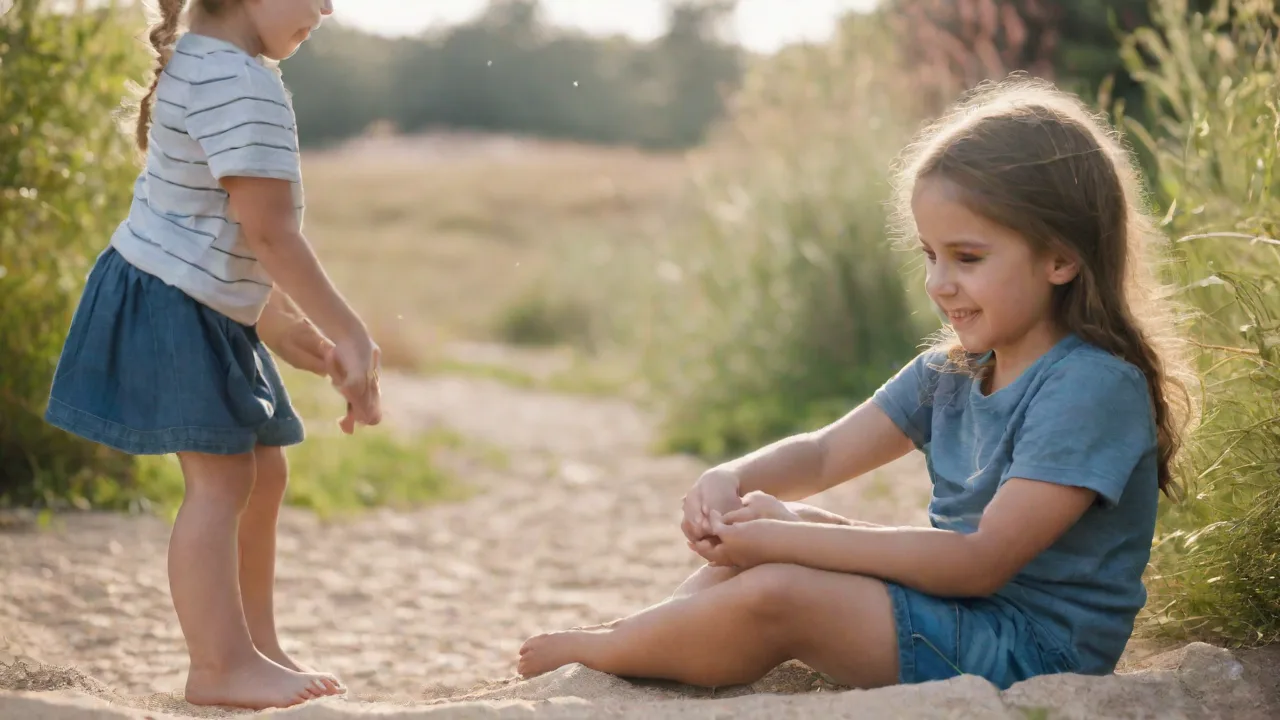
Supporting Siblings in Developing Emotional Regulation Skills
The Importance of Emotional Regulation in Sibling Relationships
Emotional regulation is not about suppressing feelings; it is about understanding them and choosing how to respond. For siblings, this skill directly influences the quality of their bond. When one child is overwhelmed by anger or jealousy, the other may feel attacked, withdrawn, or confused. But when both children can regulate their emotions, they are better able to communicate, compromise, and support each other.
Emotional Regulation Defined
At its core, emotional regulation involves three key components: recognizing an emotion as it arises, labeling it accurately, and selecting a constructive response. A child who feels frustrated when a sibling takes a toy can learn to name that feeling ("I'm frustrated"), take a deep breath, and ask for the toy back instead of hitting or yelling. This process requires both cognitive and behavioral skills that develop over time with practice and guidance. According to research from the Center on the Developing Child at Harvard University, emotional regulation is closely tied to executive function skills, which are essential for problem-solving, goal-setting, and social success. The brain’s prefrontal cortex—responsible for impulse control and decision-making—continues to mature through adolescence, which is why children need repeated opportunities to practice calming themselves in safe environments.
Impact on Sibling Dynamics
Siblings naturally experience a wide range of emotions toward one another—love, jealousy, competition, companionship, annoyance. When emotional regulation is weak, these feelings can escalate into chronic conflict, rivalry, or withdrawal. On the other hand, siblings who can regulate their emotions tend to engage in more positive interactions. They are more likely to share, play cooperatively, and support each other during tough times. This foundation not only strengthens their current relationship but also prepares them for future relationships with peers, colleagues, and romantic partners. A study published in the Journal of Marriage and Family found that sibling warmth and low conflict in childhood predict better mental health and social competence in adulthood. When siblings learn to manage their emotions together, they develop a unique form of empathy that comes from navigating the same family environment and witnessing each other’s struggles.
Practical Strategies for Supporting Siblings
The following strategies offer concrete ways for parents and caregivers to actively teach emotional regulation skills to siblings. Rather than expecting children to absorb these skills passively, adults can model, coach, and create opportunities for practice. The key is consistency—these techniques work best when woven into everyday interactions, not reserved for moments of crisis.
Model Calm Behavior
Children learn emotional responses by observing the adults around them. When a parent remains calm during a tense moment—say, after a spilled drink or a loud argument—the child sees that emotions can be managed without escalation. Conversely, if adults respond with yelling or panic, children are likely to mirror that reactivity. Modeling goes beyond staying calm in the heat of the moment; it also means verbally narrating your own emotional process. For example, “I’m feeling frustrated right now, so I’m going to take a few deep breaths before we talk about this.” This transparency gives siblings a framework for handling their own intense feelings. Over time, children internalize these patterns and begin to use them independently. Even when you make a mistake—raising your voice or losing patience—apologizing and demonstrating repair teaches siblings that emotional regulation is a lifelong practice, not a performance of perfection.
Encourage Open Communication
Creating a family culture where feelings are discussed openly and without judgment is essential. Siblings need to know that it is safe to express anger, sadness, fear, or excitement without being punished or dismissed. One practical approach is to hold regular family check-ins where each child can share something that made them happy, something that bothered them, and something they need from others. Using sentence starters like “I felt ___ when ___” helps children articulate emotions rather than acting out. Active listening from parents—making eye contact, nodding, and paraphrasing what the child said—reinforces that their emotions are valid. This practice reduces the likelihood that siblings will suppress feelings only to explode later. When siblings see that their feelings are taken seriously, they are more willing to listen to each other’s perspectives during disagreements.
Teach Emotional Vocabulary
A rich emotional vocabulary allows children to pinpoint and communicate their internal experiences. Instead of a vague “I’m mad,” a child might learn to say “I’m frustrated because I wanted a turn first” or “I’m jealous because you get to stay up later.” Parents can teach emotional words by naming feelings in the moment: “You look disappointed that your brother won the game,” or “I can see you’re excited to show me your drawing.” Books and games that focus on emotions also help broaden vocabulary. For siblings, being able to label emotions accurately reduces misunderstandings. When one child says, “I’m angry at you,” the other might respond defensively. But if the child says, “I feel left out when you play with your friend,” the sibling is more likely to respond with empathy. This skill directly reduces conflict and strengthens bonds. Consider using emotion cards or a feelings chart at home to help younger children identify and express what they are experiencing.
Teach Conflict Resolution Techniques
Sibling conflict is inevitable, but it can be a powerful learning opportunity when managed constructively. Teach siblings a simple conflict resolution process:
- Pause and breathe – Both children take a moment to calm down before speaking. This might mean counting to ten or using a simple breathing exercise.
- Each person shares their perspective – Use “I feel” statements without blaming. For example, “I felt hurt when you took my toy without asking.”
- Restate the other’s feelings – This builds empathy and ensures understanding. The listener says, “So you felt hurt because I took your toy.”
- Brainstorm solutions together – Encourage compromise and creativity. Ask, “What could we do differently next time?”
- Agree on a solution and try it – Follow up later to see if it worked. If not, revisit the conversation.
Parents can act as facilitators rather than judges. For example, “I hear that you wanted the red marker, and I hear that you were still using it. Can you think of a way both of you can get what you need?” Over time, siblings internalize this process and begin to resolve disagreements independently. Research from the Committee for Children highlights that teaching conflict resolution in early childhood reduces aggression and improves social competence. Even when a resolution feels imperfect, the act of talking through a problem builds skills that last a lifetime.
Use Relaxation Tools and Mindfulness
Children often need concrete tools to calm their nervous systems when emotions run high. Simple breathing exercises, such as “balloon breathing” (inflate the belly like a balloon while inhaling, then slowly deflate while exhaling), can be done together. Creating a calm-down corner stocked with sensory items—stress balls, glitter jars, coloring books—gives siblings a designated space to self-regulate. Mindfulness practices, such as listening to a bell or doing a body scan, help children become aware of their bodies and emotions without judgment. The Greater Good Science Center reports that mindfulness training in children improves emotional regulation and reduces anxiety. When siblings practice these techniques together, they learn that calming down is a shared, supportive activity rather than a punishment. You can also introduce a “peace corner” where siblings go together to cool off before a conflict escalates.
Use Play to Build Regulation Skills
Play is one of the most natural ways children learn emotional regulation. Cooperative games—such as building a block tower together, completing a puzzle, or playing a board game that requires turn-taking—give siblings practice in managing frustration, waiting, and celebrating each other’s successes. Role-playing with dolls or action figures allows children to act out difficult situations, like sharing or apologizing, in a low-stakes environment. Parents can also engage in “emotion charades” where siblings take turns acting out feelings while others guess. These playful activities teach emotional skills without the pressure of a real conflict. According to the Zero to Three organization, play supports the development of self-regulation by giving children opportunities to practice impulse control and social problem-solving in a fun context.
Creating a Supportive Home Environment
While individual strategies are important, the overall home environment plays a crucial role in fostering emotional regulation. A predictable, safe, and emotionally responsive atmosphere gives siblings the stability they need to practice new skills.
Establishing Family Routines
Consistent daily routines—for meals, bedtime, homework, and free time—reduce uncertainty and stress. When children know what to expect, they feel more in control and less likely to become emotionally reactive. Routines also create natural opportunities for connection. For instance, a family dinner where each person shares a high and low of the day normalizes emotional expression. Bedtime can include a brief gratitude practice or a check-in about feelings. These small rituals build emotional regulation over time, helping siblings learn that their feelings are part of the family’s shared experience. Routines also reduce competition because siblings understand that certain times (like dedicated playtime with a parent) are predictable and fair.
Providing Individual Attention for Each Child
One of the most common triggers for sibling conflict is perceived favoritism or unequal attention. When one child feels neglected, jealousy and acting out often follow. To counter this, set aside regular one-on-one time with each child, even if only 15 minutes a day. During this time, let the child choose the activity and lead the conversation. This undivided attention fills their emotional tank, reducing the need to compete with siblings for parental focus. It also gives each child a safe space to share feelings they might not express in front of a sibling. When both siblings feel securely attached to their parents, they are less likely to view each other as rivals. Consistency is key—try to keep special times on a predictable schedule so each child knows their turn is coming.
Common Challenges and How to Address Them
Even with the best strategies, siblings will face challenges that test their emotional regulation. Anticipating these difficulties and having a plan can make all the difference.
Sibling Rivalry and Jealousy
Rivalry often stems from competition for parental attention, resources, or status. To minimize rivalry, avoid comparing children openly. Instead of saying, “Why can’t you be more like your sister?” try “I love how you both solve problems differently.” When jealousy erupts—over a new toy, a birthday party, or a privilege—validate the feeling without reinforcing the behavior. For example, “It’s hard to see your brother get something you want. Let’s talk about what you’re feeling.” Give each child space to express their envy and then problem-solve together. Over time, siblings learn that jealousy is a normal emotion that can be managed, not a reason to fight. Remember that some jealousy is developmentally appropriate—expect it and plan for it, but don’t let it define your family’s emotional culture.
Differences in Temperament
Every child is born with a unique temperament—some are more sensitive, others more easygoing, and still others more intense. These differences can create friction. A highly sensitive child may be overwhelmed by a boisterous sibling, while a more active child might feel rejected by a sibling who needs quiet. Parents can help by explaining temperament differences without labeling one as “good” or “bad.” For example, “Your brother needs more quiet time to recharge, and you need to move around. Let’s find a way for both of you to have fun together and apart.” Teaching siblings to respect each other’s emotional limits builds empathy and reduces conflict. It also helps children understand their own needs, which is a key part of self-regulation.
Long-Term Benefits for Lifetime Success
The skills siblings develop through emotional regulation extend far beyond childhood. Adults who can manage their emotions effectively are better equipped to handle workplace stress, maintain healthy relationships, and parent their own children. They are less likely to suffer from anxiety and depression and more likely to experience satisfying social connections. For siblings specifically, learning to regulate emotions together fosters a lifelong bond built on mutual respect and understanding. Even in adulthood, siblings who practiced these skills as children often turn to each other for support during life’s challenges. This lasting benefit not only enriches their own lives but also strengthens the extended family network.
Moreover, emotional regulation contributes to academic success. Children who can calm themselves after a frustration are more able to focus in class, persist through difficult tasks, and collaborate with peers. Employers consistently rank emotional intelligence—of which regulation is a core component—among the most desired skills in new hires. By investing in these skills early, parents give siblings a competitive advantage in life that goes far beyond the home. The work of guiding siblings through their emotions may feel exhausting at times, but each patient conversation and calm moment is building a foundation for resilience that will serve all of them for decades to come.
Supporting siblings in developing emotional regulation skills is a continuous, intentional process that pays dividends for years to come. By modeling calm behavior, fostering open communication, teaching emotional vocabulary, using conflict resolution techniques, providing relaxation tools, and incorporating play, caregivers create a fertile environment for growth. It is not about avoiding conflict or eliminating negative emotions; it is about equipping children with the ability to navigate their feelings constructively. When siblings learn to regulate together, they do more than just get along—they build a foundation of empathy, resilience, and mutual support that will carry them through every stage of life.